
If you are working on a project, chances are you will need to apply some kind of finish to the piece when you are done. You have a number of good options to consider with regards to the finishing stage. Shellac and polyurethane are among the most popular choices when it comes to laying a professional finish on an item you have crafted.
In this guide, we will discuss shellac vs. polyurethane finish. You will get a basic introduction to the composition and benefits of each type of finish, as well as their common uses so that you will be able to select the one that is just right for your project. So if you are wondering, “Should I use shellac or polyurethane for my project?” you’ve come to the right place.
Shellac vs. Polyurethane: Origins and Composition

A resin secreted by the lac bug.
You probably aren’t aware of the origins of shellac. Shellac is actually a kind of resin produced by lac bugs. The female of the species crawls on trees in the forests of Thailand and India, secreting and depositing the substance. It is then harvested by humans.
Of course, before it can be used, it is refined and processed into the form of dry flakes, which are then sold. These flakes can also be dissolved in a solvent such as alcohol to create a liquid form of shellac.
In contrast to shellac, polyurethane is not an organic substance. It is a type of plastic, essentially plastic, in a liquid form that can be applied to a surface. It’s available in either oil-based or water-based varieties.
Shellac vs. Polyurethane: Common Uses
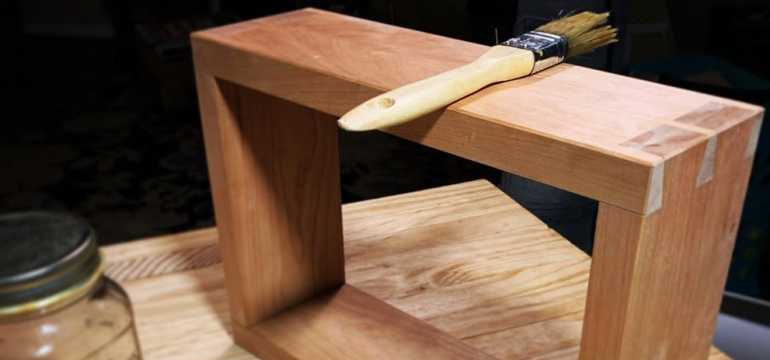 Shellac in alcohol is often for color, including nail color. It is also popular as a wood finish. You may see it used as a high-gloss varnish, a sanding sealant, a natural kind of primer, or a wood stain. It’s also valued for its ability to block tannins and odors. While shellac is most frequently used on wood furniture and other wood products, it can also serve as a protective coat on items that are not made of wood. For a while, gramophone and phonograph records were crafted from shellac until vinyl records became more popular in the 1950s.
Organic shellac was a top choice in the western world for years. In fact, it held one of the top spots, replacing wax or oil finishes. However, in the 1920s and 1930s, nitrocellulose lacquer experienced a rise in popularity and gradually replaced it. Shellac is still used for some furniture and woodworking projects, however.
Polyurethane is used for a wide variety of projects. It is commonly used for finishing hardwood floors or furniture or cabinets. Sometimes it is used for decking as well, although this is usually true of the oil-based versions since they are more weatherproof and resistant to water and extreme temperatures.
Shellac vs. Polyurethane: Colors
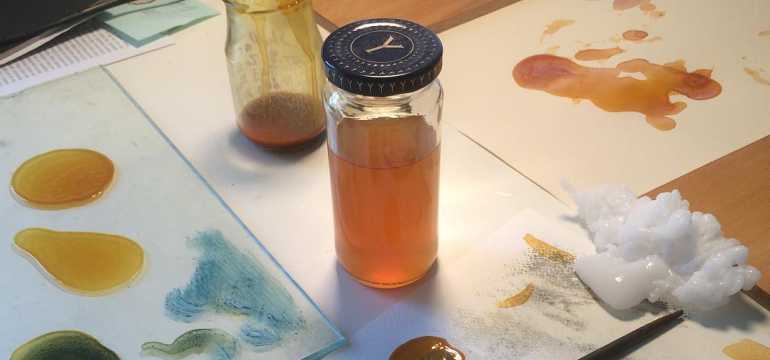 Let’s talk about color. It’s very important to know how the hue or tint of a type of finish is going to affect the final look of your project.
Shellac comes in an array of warm natural colors, including pale yellow or blonde to medium brown to a dark rich garnet with reddish undertones. Between those two extremes are a wide variety of brown, gold, orange, and amber hues.
Polyurethane doesn’t have a distinctive natural color. It is typically clear or transparent. Sometimes this clarity and transparency can be a point in this finish’s favor, depending on the type of project you’re looking to coat. Polyurethane allows the color of the material underneath to shine through without alteration or tinting, whereas shellac tends to add color, even if it’s just a light yellow tint.
Polyurethane comes in a variety of shine levels, from high-gloss to satin to matte. So you should also consider the level of gloss you want and how reflective you want your final product to be.
Shellac vs. Polyurethane: Benefits and Drawbacks
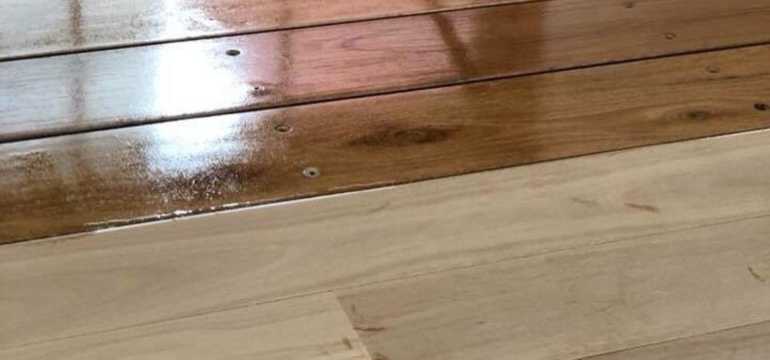 Once it is applied, shellac forms a safe and durable surface. Chemicals can and do affect it, however, and can cause staining. The heat will also affect it, so very hot beverages or pots should not be set directly on a wood surface coated with shellac. Otherwise, white rings may form where the heat made contact.
Oil-based polyurethane has a very strong smell and takes a long time to dry, but it also offers advanced durability and water resistance. If you are electing to use the oil-based version, it is best to apply this substance in a well-ventilated area and use goggles and a mask for eye and lung protection. Also, keep in mind that oil-based polyurethane is very flammable, so ensure that you keep it far away from any sparks or extreme sources of heat.
Many people like water-based polyurethane better than oil-based. The reason for this is primarily its very quick drying time. It’s very easy to clean up, requiring only a bit of soap and some water. It also has very little odor, and it doesn’t give off the more toxic fumes than oil-based poly does. However, water-based poly does not handle chemicals or heat very well. It is like shellac in that respect. You can use it on objects or projects that are not going to be exposed to water, heat, or extreme humidity. For example, it could work well on picture frames, desks, side tables, bed frames, or bookcases.
In some ways, shellac pulls together the best aspects of both water-based and oil-based polyurethane. Though it can be heat sensitive and chemical sensitive, it is much more resistant to water and humidity, and it offers thicker coverage for greater durability, which means it will hold up better against scratches, abrasions, dings, and dents.
There’s another option known as Polycrylic, which also offers a combination of the benefits of oil-based and water-based polyurethane products. Like the water-based poly, Minwax Polycrylic is much easier to clean up than oil-based polyurethane. However, it is also much more durable than just a water-based product. It is essentially a hybrid product, water-based but with fortifications. Some people like to use the Minwax Polycrylic on hardwood floors.
Shellac vs. Polyurethane: How to Apply
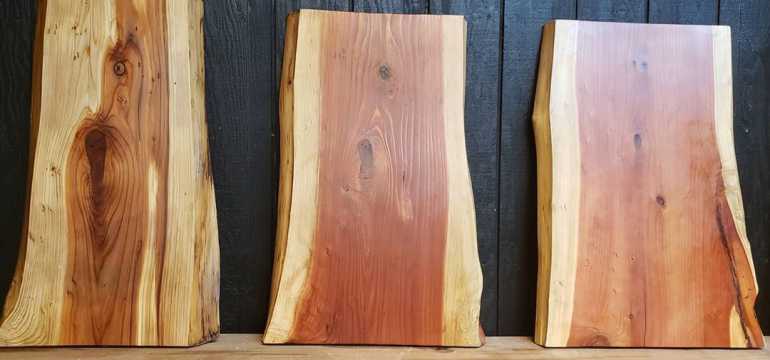 Once you have thought through the shellac vs. polyurethane finish, including the benefits of each, you will need to apply the product you have chosen for your project. Both poly and shellac are relatively easy to apply, at least if you have purchased the prepared, ready to use versions.
You can apply shellac in a number of ways. The most popular way to apply it is with a bristle brush or a cotton rag.
Some woodworkers like to do the wipe-on method for polyurethane since it gives the projects a “hand-rubbed” look that tends to provide a unique finish for their prized pieces. However, if you are more interested in finishing the project quickly, you will find that polyurethane is also available in spray form. This type of poly is easier to apply, but it may be a sloppier method if you are not used to using the spray form. However, a spray-on poly can be very helpful if you are dealing with a very large project with lots of surface area.
Be sure to follow the instructions on the container of poly or shellac. For some products, you will need to wait longer between coats. For others, you may need to sand between coats. It is important to take your time and do each step correctly, including allowing ample drying time.
If you don’t let the poly or shellac dry properly, and then you attempt to add another coat, you could seriously mess up the finish you are trying to achieve, and you may end up having to sand everything down and start over from the beginning.
If you put on too many layers of poly, or if you apply them incorrectly, your hardwood floors or furniture may end up having an odd plastic look instead of the lovely shiny finish you want them to have. Some experts recommend thinning down your oil-based poly varnish with mineral spirits to keep that plastic-like surface from occurring.
Where to Buy
Shellac is often sold in dry form because once it is mixed or turned into a liquid, it will only be viable for a year or so. If you would rather not mix it with a solvent yourself, you can buy liquid shellac in cans at your local home improvement store or paint shop. If you purchase liquid shellac in the store, check the mixing date posted on the packaging by the manufacturer.
For average DIYers and homeowners, it is typically a good idea to start out with the liquid shellac, to make the process easier. Once you are comfortable with using shellac for various projects, and you have a more thorough knowledge of its texture and how it’s supposed to look, you can try your luck at mixing the dry flakes into liquid shellac yourself.
Polyurethane is typically sold ready-made and ready to apply. You can purchase it online, or you can go to a local store. Any hardware or home improvement store should have some poly on hand. You can also find it at some paint shops or at general stores that sell a variety of home goods. Be sure to read the label on each product carefully to ensure that you are purchasing the exact thing you want.

- How to Cut Lexan - September 25, 2020
- Mineral Spirits vs. Mineral Oil - September 25, 2020
- Shellac vs. Polyurethane - September 24, 2020